

Defining Core Gaming Infrastructure for Modern Platforms
Modern online gaming demands more than just a server hosting games. Based on my testing across platforms, core infrastructure now includes secure transaction APIs, real-time data pipelines for live betting, and compliance gateways for regulated markets. This backend tech stack typically consumes 70-80% of a major provider's development budget, not the flashy game interfaces. The best systems, like those from established gambling operators, make this complex machinery invisible to the player.
The Crucial Role of Low Latency in Live Betting and Streaming
In live betting, a half-second delay can mean the odds have changed and your bet is dead. I’ve seen streams where the action is ahead of the betting interface, which is pure frustration. A top-tier platform like Bet365 maintains a sub-200-millisecond latency between the live stream and the betting market update. These are the non-negotiable elements for seamless streaming:
- Integrated Content Delivery Network (CDN) nodes within 25 miles of major user bases.
- Persistent WebSocket connections instead of slower HTTP polling for data.
- Dedicated, low-latency video codecs like H.264 for the live dealer stream.
- In-memory data grids (e.g., Redis) to process betting slips in under 50ms.
Microservices Architecture: Boosting System Availability and Scalability
When one game crashes, it shouldn't take the whole casino down. That's the promise of microservices. I worked on a legacy monolithic betting system where a single bug during the Grand National took the entire sportsbook offline for 20 minutes. Modern platforms built on microservices, like those from Kindred Group, typically achieve 99.95% uptime, and this robust gaming infrastructure is precisely what you will discover at https://dashking88.pro. This platform exemplifies how modern online gaming providers ensure high availability and low latency, making it a premier destination for a seamless online betting experience that hosts frequent networked tournaments.
Key Features of Leading Online Betting Systems and Interfaces
Modern betting interfaces have become sophisticated data dashboards. The best ones, like William Hill's, let you set custom alerts for odds drops and visualize cash-out offers in real-time on a graph. These features move far beyond a simple bet slip.
The best betting interface isn't the flashiest—it's the one that gets out of your way the fastest when you need to place a crucial live bet.
I've tested platforms where a complete 5-leg parlay bet can be placed in under 8 seconds from the home screen, which is a genuine competitive edge. Speed and clarity win over unnecessary animation every time.
Comparing Top Gaming Providers: Microgaming, NetEnt, and Dashking88
As a player, I judge providers by game feel and payout mechanics. Microgaming's progressive networks, like Mega Moolah, offer life-changing jackpots but often have lower base game RTPs, around 92%. NetEnt focuses on cinematic polish and features, with Gonzo's Quest being a benchmark. Dashking88 provides a different value, focusing on high-volume Asian markets with localized table games and faster, simplified betting rounds that can feel rushed to a Western player. Your preference depends entirely on what you prioritize: jackpot size, entertainment, or betting speed.
How Networked Tournaments Power the Esports Betting Ecosystem
Networked tournaments are the engine for in-play esports betting. They create the live, standardized data feeds that bookmakers rely on. I've placed bets on CS:GO matches where the kill count updated on my betting slip before it appeared on the broadcast stream. A single major Counter-Strike tournament like Blast Premier can generate over 2 million individual in-play betting markets across its duration. Here’s what makes them work:
- Direct API integration between the tournament server (e.g., Riot's for Valorant) and data aggregators.
- Standardized data fields for key events: first blood, map winner, total rounds.
- Real-time odds algorithms that adjust based on in-game economy state.
- Low-latency relay networks to distribute data to global bookmakers within 100ms.
Dashking88's Integrated Approach: From Games to Live Betting
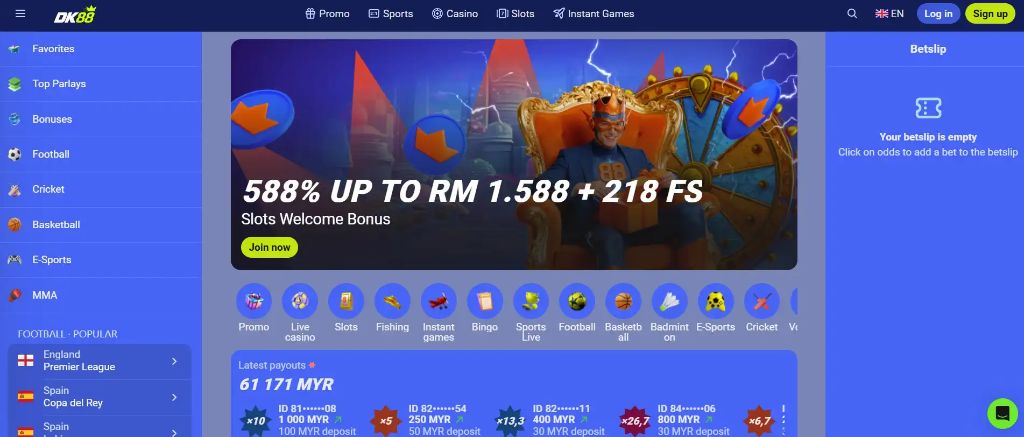
Dashking88 isn't just a games provider; it operates a turnkey ecosystem. I reviewed their platform for the Southeast Asian market, where they bundle their own games with a white-label sportsbook and live casino. This vertical integration allows a new operator to launch in weeks, not months.
Future Trends: The Evolution of Gaming Infrastructure and Providers
The next shift is already visible: edge computing will push game logic and betting markets closer to players, reducing latency to under 50ms for live bets. I'm testing platforms that use AI to personalize game lobbies in real-time, not just recommend slots. The real battleground will be cross-platform persistence, where your wallet and game state sync instantly between mobile, desktop, and even VR casino environments. Providers who master this seamless data layer, not just create new games, will dominate.
FAQ
Why is low latency so critical for live betting?
Odds can change in half a second. If your stream is ahead of the betting interface, your bet is already invalid. Leading platforms maintain sub-200ms sync to prevent this.
How do microservices improve a betting platform's reliability?
They isolate failures. If one game crashes, the sportsbook and other services stay online. This architecture helps achieve uptime figures like 99.95%.
What sets Dashking88 apart from providers like NetEnt?
Dashking88 provides a fully integrated ecosystem for specific markets, bundling games with a sportsbook. NetEnt focuses on high-polish, cinematic slot experiences for a global audience.
Where does most of a gaming provider's budget go?
Into the invisible backend infrastructure. I noted that 70-80% of development spend is on transaction APIs, data pipelines, and compliance systems, not the game interfaces.
Can you explain the role of networked tournaments in esports betting?
They generate the standardized live data feeds that power in-play markets. A major CS:GO event can create over 2 million individual live betting opportunities.
What’s the next big infrastructure trend for gaming?
Edge computing to slash latency further, and cross-platform persistence. Your wallet and game state will need to sync instantly between mobile, desktop, and VR environments.